How to Use AI Writing Tools for Local SEO

Let’s be honest. You have probably opened an AI writing tool, typed in a prompt, and watched it spit out a blog post in seconds. It feels like magic, until you read it and realize it sounds like every other generic article on the internet. The real problem is that generic content does not rank for local searches, and it certainly does not bring customers through your door. In this post, we will show you exactly how to use ai writing tools for local seo to create blog posts that actually attract nearby customers.
We will cover choosing the right software, crafting better prompts, and adding the local expertise that search engines love. By the end, you will have a simple workflow to turn AI drafts into ranking content.
The Promise and the Pitfall of AI Writing Tools
AI writing tools promise a huge time saving. You can generate a thousand words in a minute, which sounds perfect for a busy business owner. The pitfall is that this speed often comes at the cost of originality. Most AI models pull from a vast pool of general internet data, so their default output is bland and repetitive. If you publish that raw draft, you will sound exactly like every other business in your industry.
Local SEO demands specific details that AI simply does not know without your help. Search engines prioritize content that mentions your neighborhood, your local landmarks, and the specific problems your customers face. A generic post about "plumbing tips" will not beat a post about "how to fix a leaking faucet before the winter freeze hits our town." Authenticity is the currency of local search, and you cannot fake that with a lazy prompt.
The key is to view AI as a starting point, not a final product. Think of it as a very fast intern who needs clear instructions and heavy editing. You provide the local knowledge, the personal stories, and the final polish. The AI provides the initial structure and saves you from staring at a blank page. When you combine machine speed with human insight, you get content that ranks and resonates.
Choose the Right AI Writing Tool for Your Business
Not all AI tools are created equal, and the best one for you depends on your budget and technical comfort. ChatGPT is the most popular option because it is versatile and has a free tier. It is great for brainstorming and drafting, but it requires you to manually copy and paste your work into your website editor. Jasper is a paid tool that many businesses like because it offers pre-built templates for blog posts and marketing copy. It also gives you more control over brand voice, which helps keep your content consistent.
Copy.ai is another strong contender, especially for generating short marketing copy and social posts. It has a clean interface and is very user friendly for beginners. When you compare these options, look for features that save you time, such as templates for blog intros or SEO meta descriptions. Tone control is also critical, because you want the tool to match your friendly, professional voice rather than sounding like a robot.
Cost is a major factor for small businesses. Free versions of tools like ChatGPT are fine to start, but they often lack advanced features like plagiarism checks. Paid plans usually run a monthly subscription, so consider how often you will actually write. Ease of use matters too.
If the software feels complicated, you will stop using it. We suggest testing two or three free trials to see which interface feels most natural for your workflow.
How to Use AI Writing Tools for Local SEO: Step by Step
You know the theory, so now let us get practical. Here is a simple process that our team uses to turn AI into a local ranking machine. Follow these steps every time you sit down to write.
- Start by identifying local keywords and topics that matter to your customers. Think about what they type into Google, like "best pizza near me" or "emergency roof repair." Use a free tool like Google Autocomplete to see what people in your area are searching for.
- Craft a detailed prompt that includes your city, your specific services, and common customer questions. Do not just say "write about landscaping." Say "write a blog post for a landscaping business in the Oakwood district, focusing on drought resistant plants for small front yards."
- Generate the draft, then step away for a few minutes. When you return, edit the content to add local insights, such as mentioning a recent community garden project or a specific weather pattern that affects your area. This is where the magic happens.
- Optimize the final post for SEO before you hit publish. Place your main keyword in the title and first paragraph, and make sure your meta description is compelling. Check that your headings use keywords naturally so Google understands your structure.
This workflow takes about thirty minutes per post, which is far faster than writing from scratch. The important thing is that you never skip the editing step. If you do, you will publish content that lacks the local flavor needed to rank. Once you have a few posts using this method, you will see a pattern for what works best for your audience.
Craft Prompts That Get Useful Local Content
The quality of your AI output depends almost entirely on the quality of your prompt. A vague prompt gives you vague content, so you need to be specific. Here are the essential elements to include every time you ask an AI tool for a local blog post.
- Include your business name, location, and target audience in the first sentence of the prompt. For example, "Act as a marketing expert for Smith's Hardware Store in the Riverside area, writing for homeowners aged 30 to 60."
- Ask for specific headings and a conversational tone. Tell the AI to structure the post with an introduction, three body sections, and a conclusion. This gives you a skeleton to work with instead of a wall of text.
- Provide examples of topics or questions you want covered. List three or four specific customer questions, such as "How often should I service my furnace?" This guides the AI to answer real needs rather than generic advice.
- Request that the AI avoid jargon and write at an eighth grade reading level. This ensures the output is accessible to all your potential customers, not just industry insiders.
When you craft a prompt with these details, you will notice a dramatic improvement in the relevance of the output. The AI will still make mistakes, but it will be much closer to a usable draft. Remember that you are the director, and the AI is the actor. The more context you give, the better the performance will be.
Add Your Local Expertise to the AI Draft
The biggest weakness of AI is that it lacks real world experience in your community. It does not know that the city council just passed a new parking ordinance, or that a popular festival happens every spring. You must fill in these gaps to make your content truly local. Start by reading the AI draft and asking yourself what is missing.
Does it mention any specific streets, neighborhoods, or landmarks? If not, add them.
You should also weave in customer stories or examples from your own experience. If you run a bakery, describe a wedding cake you made for a couple who met at the local farmers market. These personal touches build trust and make your content impossible to replicate. Search engines notice when users stay on your page longer, and unique stories keep people reading.
Accuracy is another critical issue. AI can confidently state incorrect facts about local regulations or seasonal events. You must verify every claim it makes, especially anything with a date or a price. Finally, read the draft out loud to see if it sounds like you.
If it feels stiff, rewrite sentences in your natural voice. Your blog should sound like a conversation with a knowledgeable friend, not a textbook.
Optimize Your AI-Generated Post for Local SEO
Once your draft is polished, you need to focus on the technical side of SEO. This is where you ensure your hard work actually gets found. Place your primary keyword in the title tag, the first H2 heading, and the meta description. These are the elements that show up in search results, so they need to be clear and compelling. Also, make sure your primary keyword appears in the URL slug if possible.
Use your secondary keywords naturally throughout the body text. Do not force them in where they do not fit, but look for opportunities to mention "ai blog writing for local businesses" or "using ai to write local seo blog posts" in a relevant sentence. Search engines use these related phrases to understand the context of your page. Next, add internal links to other relevant pages on your site.
For example, link to your services page or a previous blog post about a similar topic. This keeps visitors on your site longer and helps search engines crawl your website.
Finally, do not forget the technical details. Ensure your images have alt text that describes them with local keywords. Check that your page loads quickly on mobile devices, since most local searches happen on phones. And always include a clear map link or your address in the footer of the post. These small touches signal to Google that you are a legitimate local business, which boosts your rankings.
Common Mistakes to Avoid When Using AI for Local Blogging
The fastest way to fail with AI is to publish the raw output without any editing. Robotic content is easy for readers to spot, and it hurts your credibility instantly. Search engines also penalize thin or duplicate content, which is common with unedited AI. Always rewrite at least half of the draft in your own words to ensure it is unique.
Another mistake is ignoring local context entirely. If you write a generic post about "home maintenance tips" without mentioning your service area, you will never rank for local searches. You must weave in your city, county, or neighborhood names naturally. Do not forget to include a clear call to action at the end of every post.
Tell readers to call you, book an appointment, or visit your store. A blog post without a call to action is a missed opportunity to convert a reader into a customer.
Finally, do not neglect the consistency of your publishing schedule. One great post will not move the needle. You need to publish regularly to build authority with search engines. Set a realistic goal, like one post per week, and stick to it. Use AI to make that schedule sustainable, but never let it replace your judgment.
Conclusion: Your Next Step to Local SEO Success
You now have a clear roadmap for how to use ai writing tools for local seo effectively. Start by choosing a tool that fits your budget, then craft detailed prompts with local context. Generate your draft, but always edit it heavily to add your unique voice and community knowledge. Finally, optimize the post with keywords, internal links, and a strong call to action.
Do not wait for the perfect moment to start. Open your favorite AI tool today and write one post using the steps we outlined. You will likely be surprised at how much time you save while still producing quality content. If you feel overwhelmed by the process, our team at Autopilot SEO is here to help.
We specialize in creating local content that ranks, so you can focus on running your business. Contact us today to discuss how we can take your local SEO to the next level.
Part of our complete guide: Automated SEO Blogging for Local Businesses
Recommended reads
- How to Measure Success of Automated Local SEO Blogging
- Local SEO Blog Calendar Template for 2026
- Automated Blogging vs Human Writers for Local SEO
More from Autopilot SEO
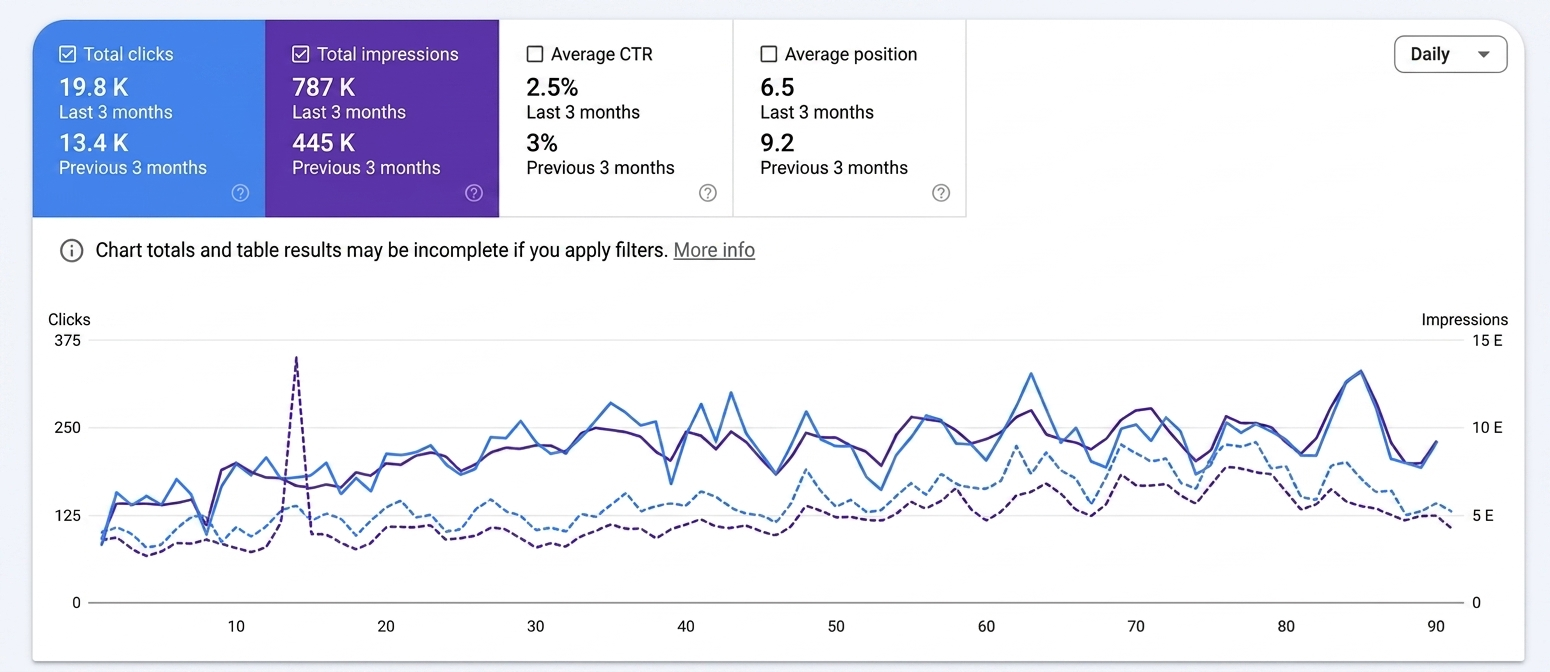
A post a day, every day, for 90 days. This is what that compounds into on a blog that starts from nothing.
See what Autopilot SEO would publish for you
Written with AI assistance and reviewed for accuracy. General information only, not professional advice.